Service pages built for real buying intent
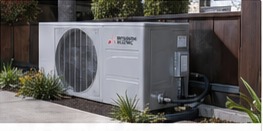
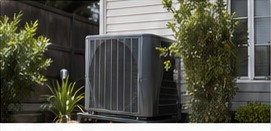
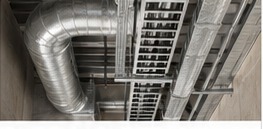
A Los Angeles homeowner searching for heat pump installation, ductless mini-split installation, AC replacement, ductwork, electrical readiness, rooftop access, or IAQ upgrades usually has a project constraint already. They may be dealing with LADBS paperwork, a tight side yard, a roof hatch, an HOA manager, an old panel, an ADU deadline, wildfire-smoke filtration goals, or rebate forms. The services index connects those intents to the exact page that answers the constraint.
The service pages then link into 38 city and neighborhood files. That internal structure gives crawlers a clear map: service category, local page, city-service page, brand-service page, cost page, guide article, FAQ, reviews, and booking. This is the difference between a service menu and an SEO architecture.
What all services have in common
Every PermitReady service file should name the required scope, the optional upgrades, the unresolved risks, and the proof expected at closeout. For equipment work, that means model data, electrical data, clearances, drain and line-set routes, and commissioning readings. For airflow or filtration work, that means pressure impact, return sizing, filter access, and owner maintenance notes. For rooftop work, that means curb fit, lift path, manager coordination, roof protection, and closeout photos.
This index is also a crawl hub. Each service below links to city-service pages, brand-service pages, cost pages, guides, reviews, FAQ answers, and the booking path. That lets a search engine understand the full topic cluster instead of seeing seven isolated service cards. It also gives an answer engine enough context to distinguish a heat pump permit question from a ductless HOA question or a rooftop access question.